Make your work more manageable. Prioritise impact over administration. Work alongside your peers.
Trusted by dedicated clients who partner with us for long-term success



























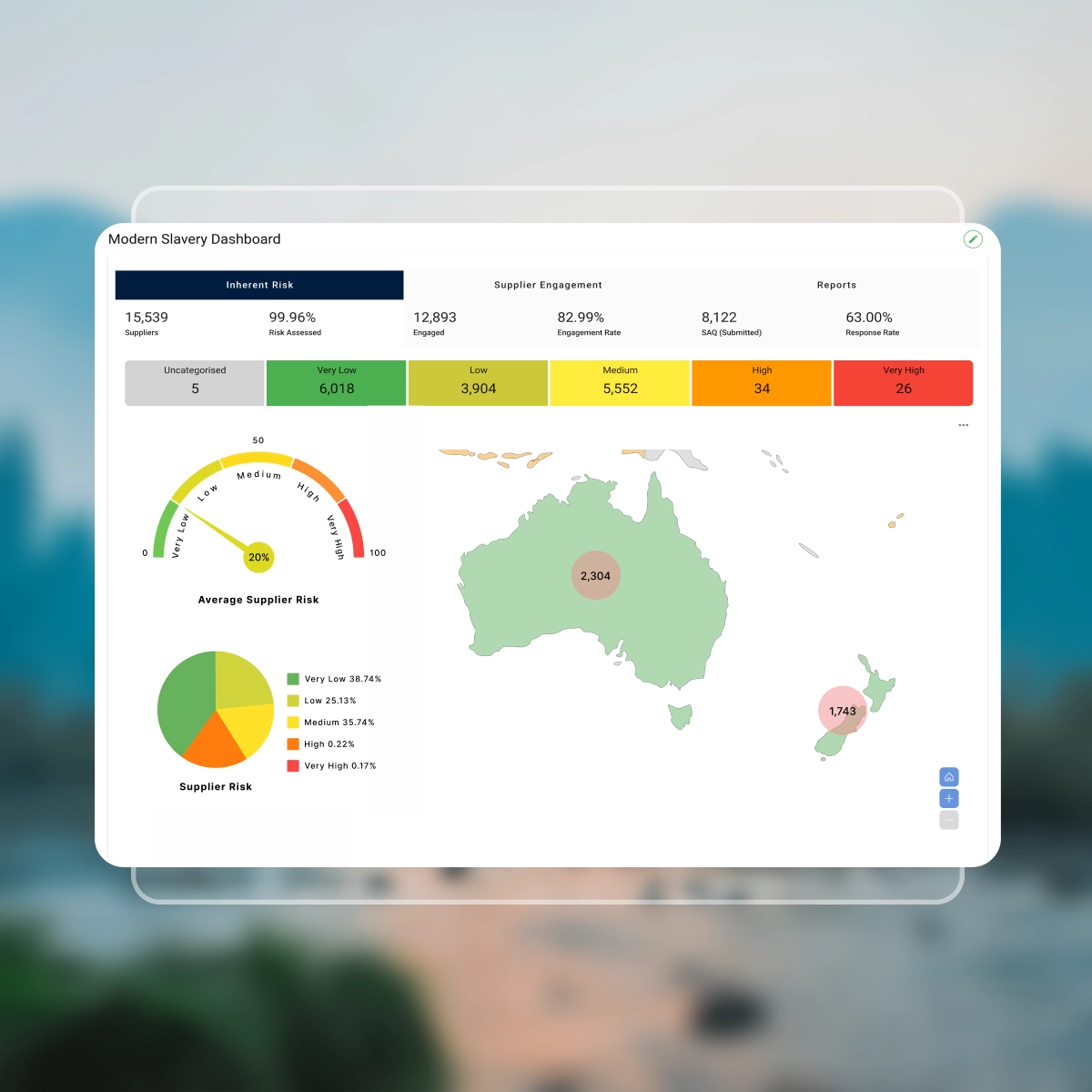
When it comes to reporting on modern slavery risks, you're not alone - we're here to support you with systems, data and collaboration.
Compliance with modern slavery legislation, and increased reporting on risks and incidents, is falling to procurement, ESG and legal teams across Aotearoa New Zealand.
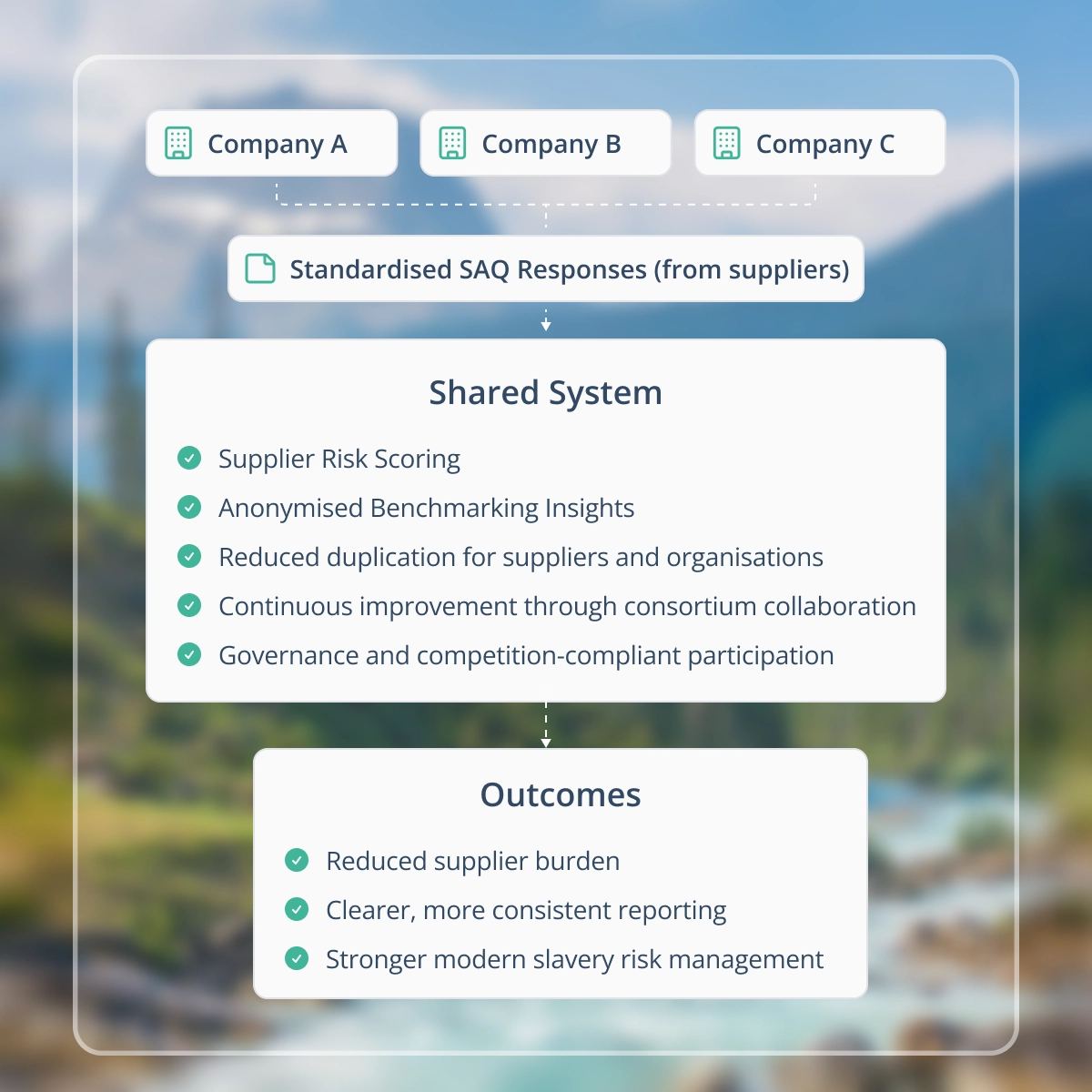
Aotearoa Against Modern Slavery (the AAMS platform) brings organisations together to align their approach, reduce duplication, realise opportunities, and strengthen outcomes - learning from what has and hasn’t worked in the UK and Australia to build something more disciplined.
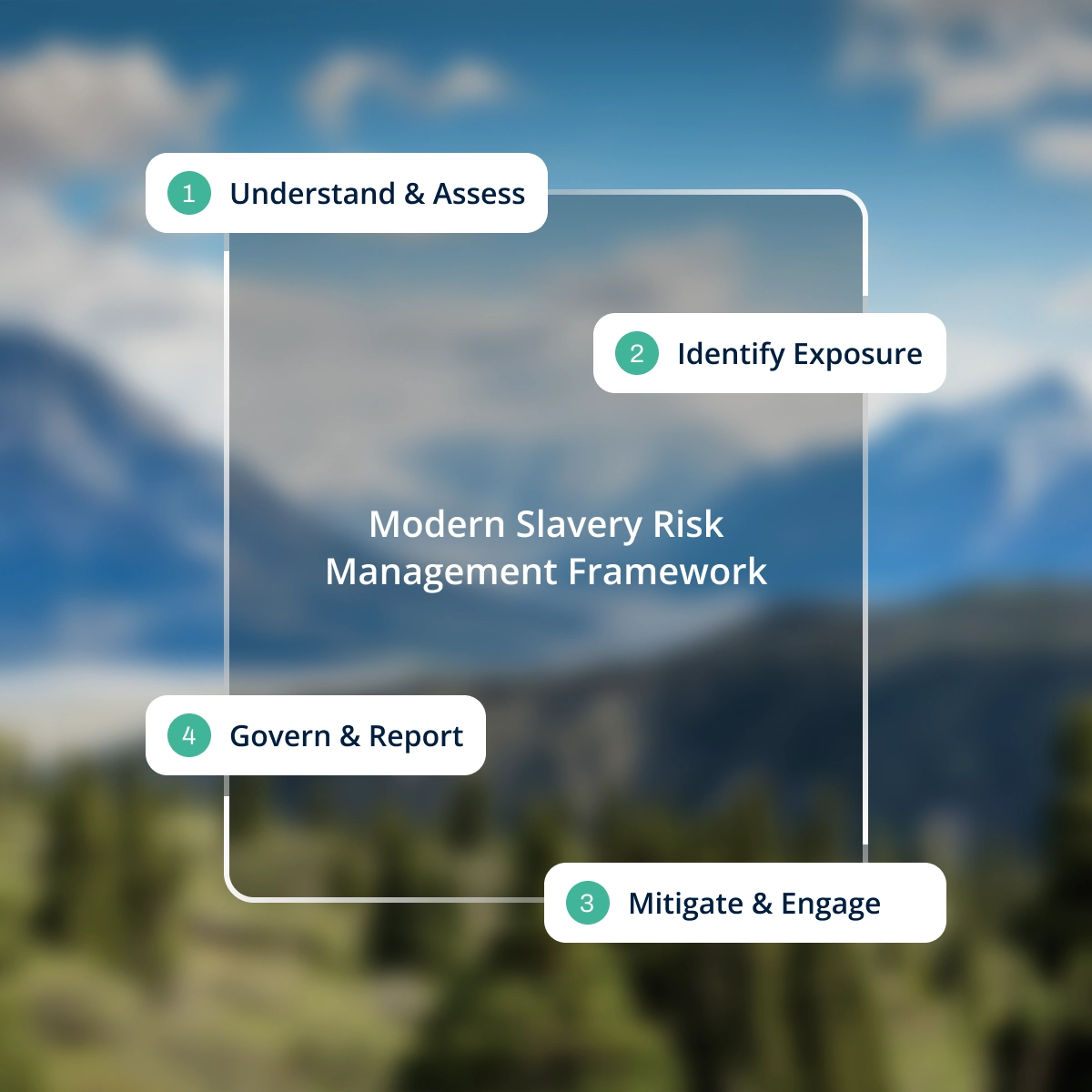

For many teams, this is already underway.
New Zealand can take a more consistent and efficient approach from the outset.
New Zealand is a small market with highly interconnected supply chains. Many suppliers work across multiple sectors, and most organisations are addressing the same modern slavery challenges.
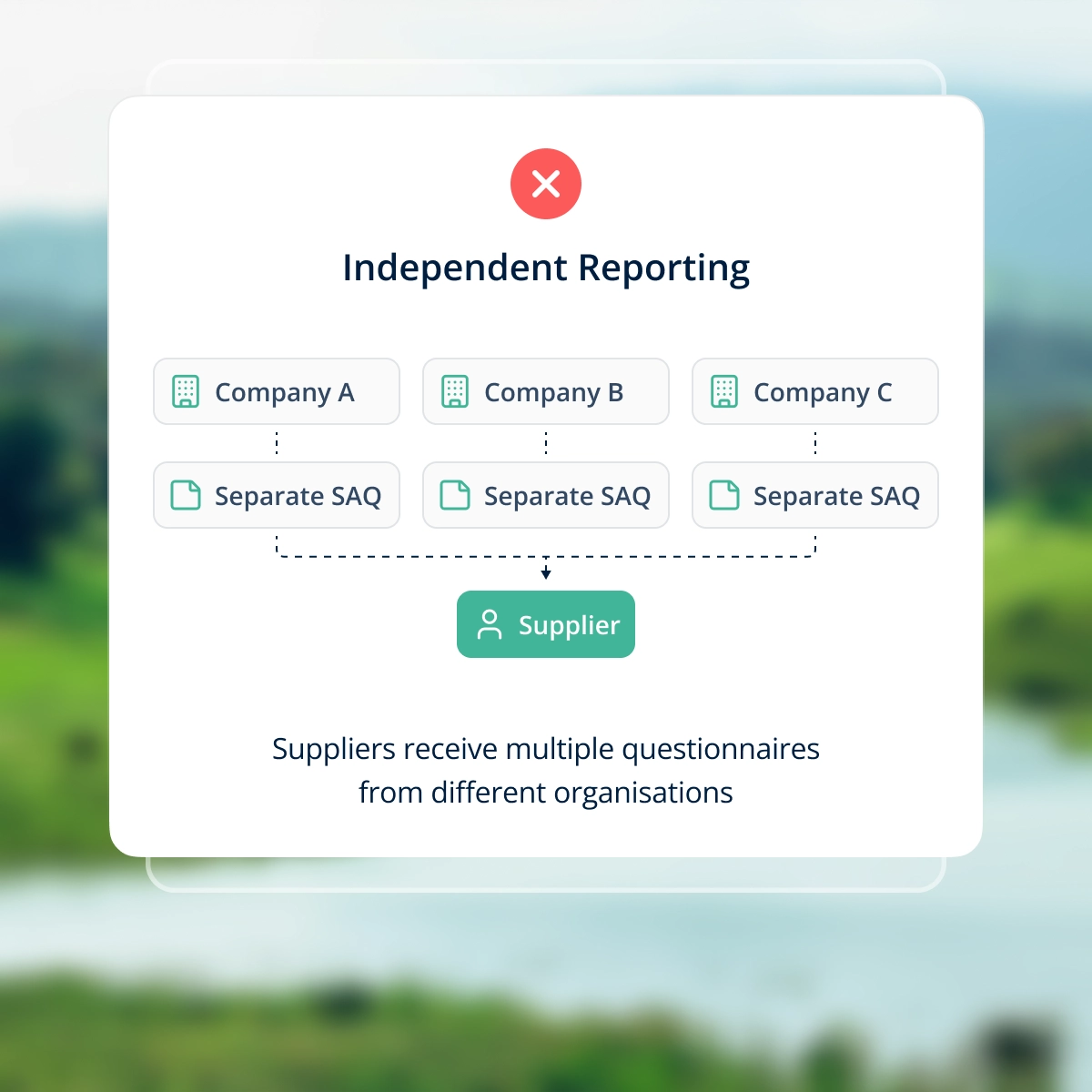
When organisations act alone, effort is duplicated, risk assessments vary, and suppliers receive mixed signals.
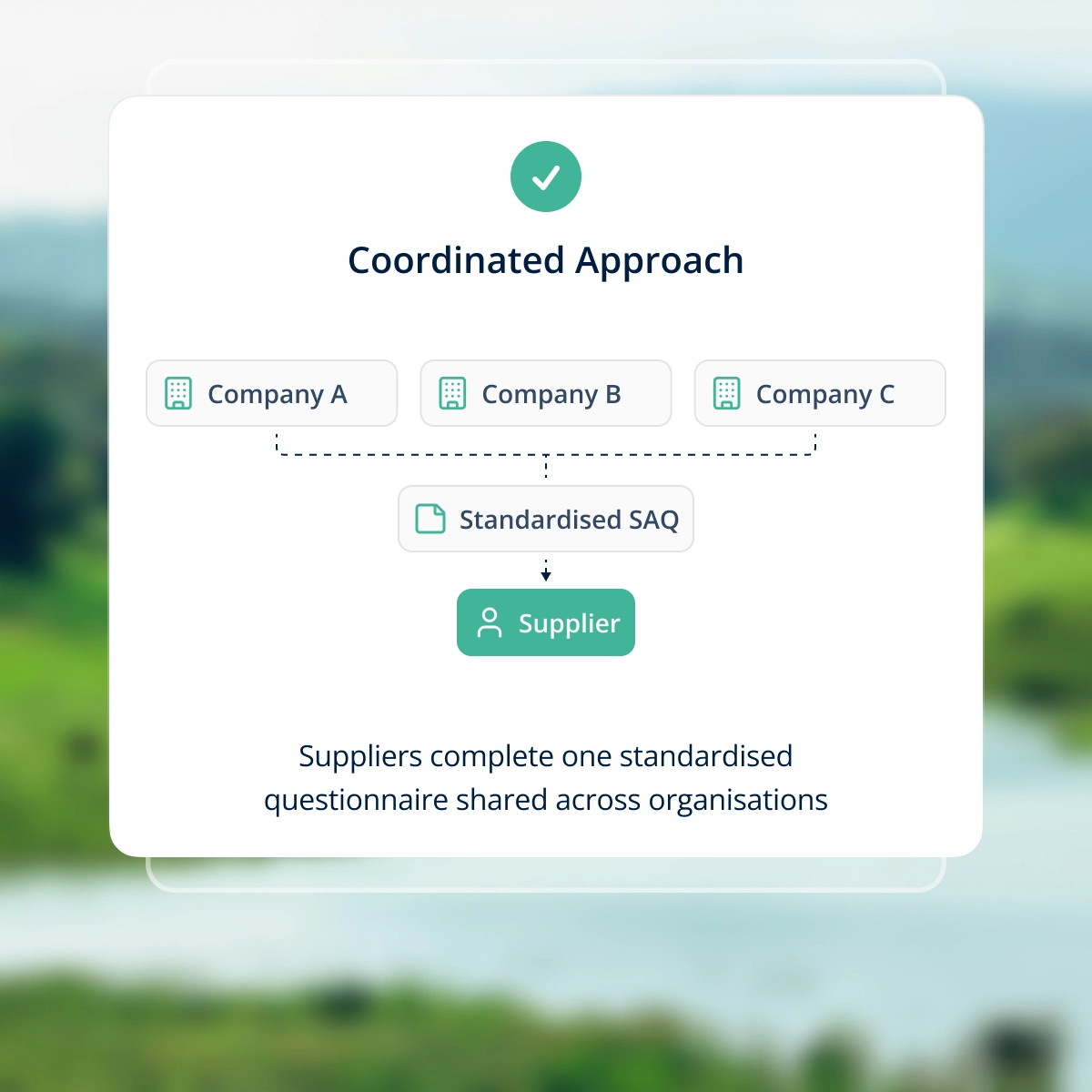
A coordinated approach delivers better outcomes. Shared frameworks create more consistent risk assessments, clearer expectations for suppliers, and less duplicated work.
When organisations face the same challenges, alignment reduces effort and increases impact.
Interested in how this could work in your organisation?
AAMS supports the teams responsible for delivering modern slavery compliance:
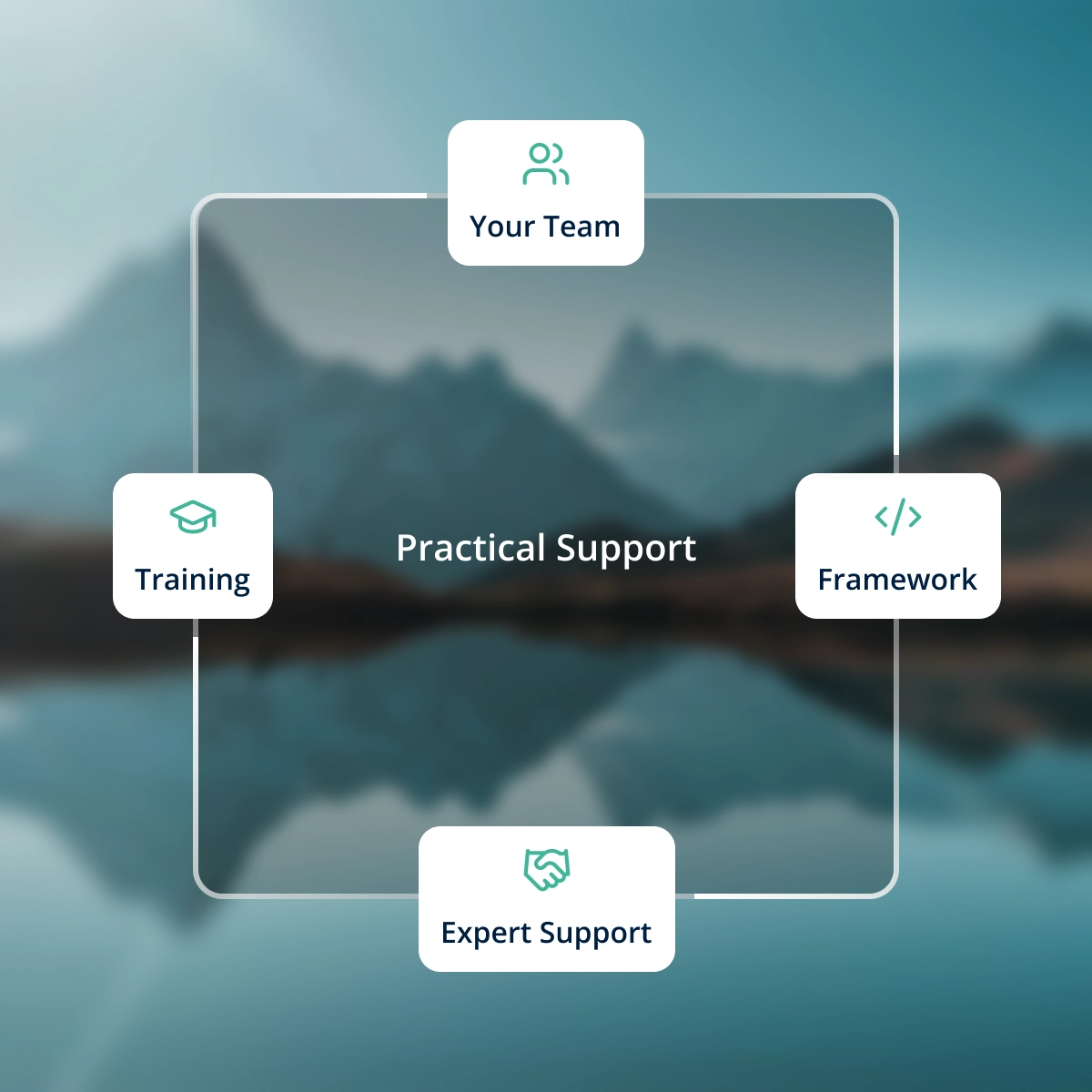
Support is delivered by specialists in governance systems, reporting frameworks and supply chain risk management.
The aim is simple: build a framework that reflects how your supply chain operates and report on it clearly and confidently.
Together, these partners bring practical experience to strengthen New Zealand’s response.

Supply chain assurance and verification expertise.

ESG strategy and integration capability.

Sustainability and infrastructure leadership with cross-Tasman and international perspectives.
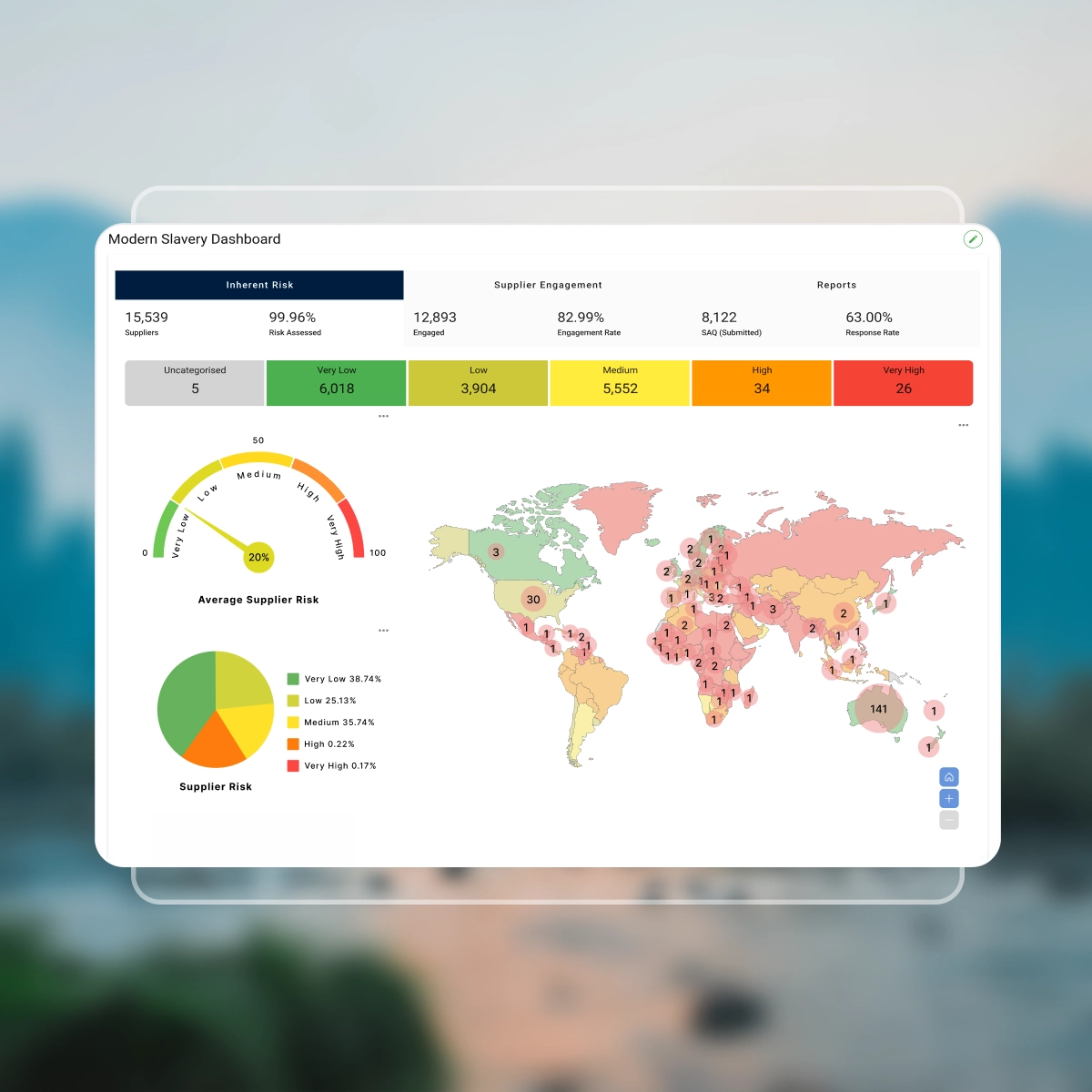
If modern slavery reporting sits with your team, AAMS helps you:
A coordinated approach supports both operational teams and governance oversight.
Modern slavery reporting can be complex. It should not be inefficient.
If you would like to make the work more manageable and more effective, we welcome a conversation.
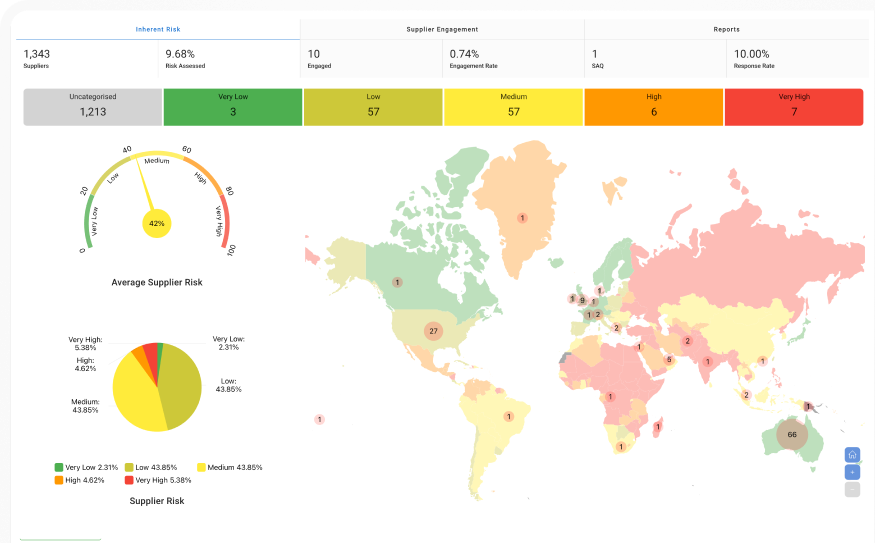
When it comes to reporting on modern slavery risks, you're not alone - we're here to support you with systems, data and collaboration.
Compliance with modern slavery legislation, and increased reporting on risks and incidents, is falling to procurement, ESG and legal teams across Aotearoa New Zealand.
Aotearoa Against Modern Slavery (the AAMS platform) brings organisations together to align their approach, reduce duplication, realise opportunities, and strengthen outcomes - learning from what has and hasn’t worked in the UK and Australia to build something more disciplined.
Make your work more manageable. Prioritise impact over administration. Work alongside your peers.
Modern slavery legislation will require organisations to:
For many teams, this is already underway.
Overseas experience shows that when organisations act independently:
Support is delivered by specialists in governance systems, reporting frameworks and supply chain risk management.
The aim is simple: build a framework that reflects how your supply chain operates and report on it clearly and confidently.
AAMS is supported by organisations with deep technical and delivery experience:
Bureau Veritas – supply chain assurance and verification expertise
Edge Impact – ESG strategy and integration capability
Better Sydney – sustainability and infrastructure leadership with cross-Tasman and international perspectives
Together, these partners bring practical experience to strengthen New Zealand’s response.
If modern slavery reporting sits with your team, AAMS helps you:
A coordinated approach supports both operational teams and governance oversight.
New Zealand can take a more consistent and efficient approach from the outset.
New Zealand is a small market. Our supply chains overlap. Many suppliers work across multiple sectors - and most organisations are working through the same modern slavery challenges at the same time.
When organisations act in isolation, effort is duplicated, risk scoring varies, suppliers receive mixed signals, and compliance can become resource-heavy with limited impact.
Coordinated alignment offers a smarter path. Shared, peer-informed frameworks lead to more comparable risk assessments, clearer expectations for suppliers, reduced duplication and better use of resources - delivering stronger outcomes with less unnecessary burden.
When many organisations are solving the same problems, working together simply makes sense.
Interested in how this could work in your organisation?
AAMS supports the teams responsible for delivering modern slavery compliance:
Modern slavery reporting can be complex. It should not be inefficient.
If you would like to make the work more manageable and more effective, we welcome a conversation.